The Llangollen Canal was designed by William Jessop and Thomas Telford, who used new techniques to cut through rugged terrain and cross two valleys. Their great aqueducts, tunnels, bridges, cuttings and embankments, most of which can still be seen today, marked a significant stage in the evolution of transport. An outstanding engineering feat for its time and the Pontcysyllte Aqueduct alone took more than ten years to complete, with the final stone being laid in 1805. The Llangollen Canal we see today is quite unlike what the original promoter’s intended. The Ellesmere Canal Act of 1793 was to link the River Mersey to the River Severn at Shrewsbury, past Chirk, Ruabon and Wrexham to the Dee at Chester, then continuing to the Mersey at what was to become Ellesmere Port. The canal was mainly used to transport limestone from Llanymynech and Pontcysyllte to limekilns along the canal and to its Prees branch and later, following the opening of the Birmingham & Liverpool Junction Canal, to the ironworks of East Shropshire. The Llangollen Canal was closed by Act of Parliament in 1944. Following a second act it was able to stay open for a further ten years to supply water to various industries then became popular with holidaymakers assuring it’s future use.
Llangollen Canal Scene LL8007

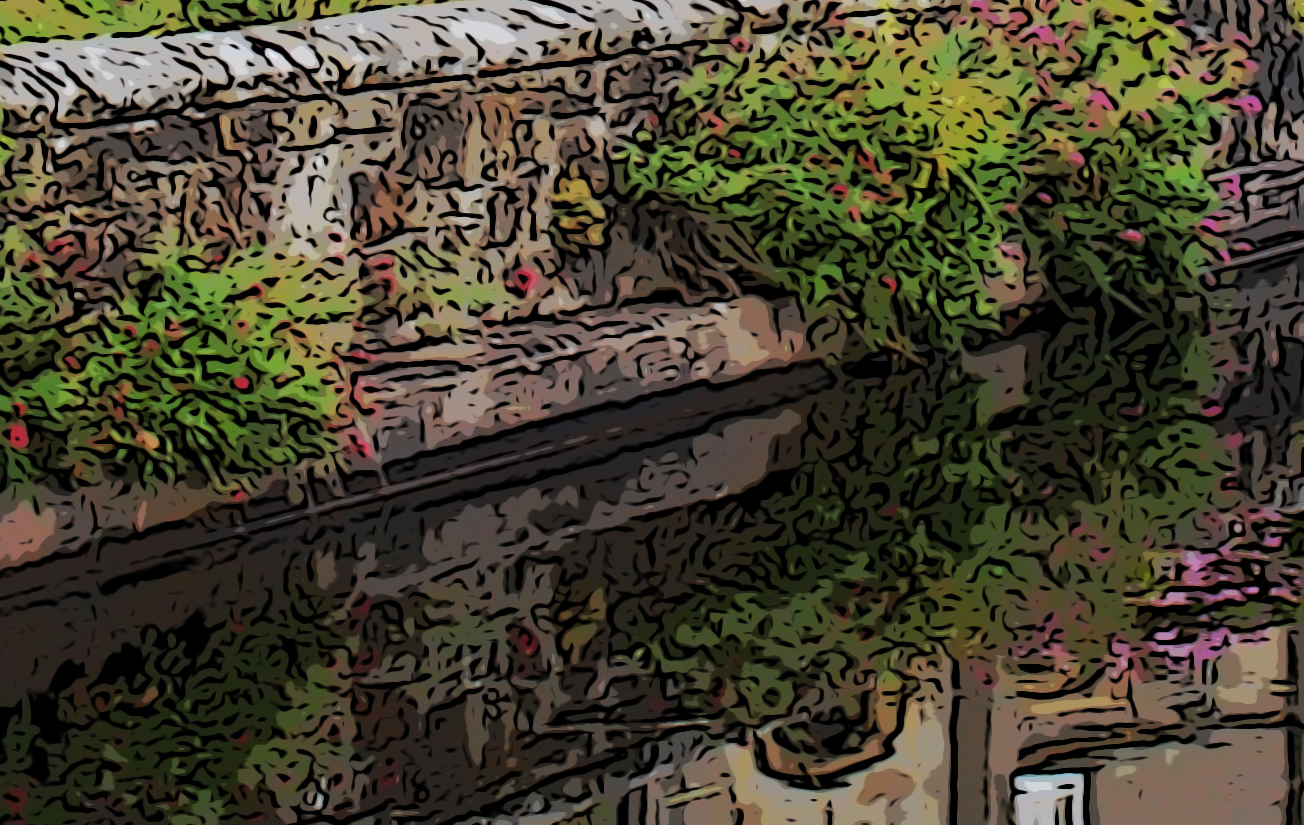
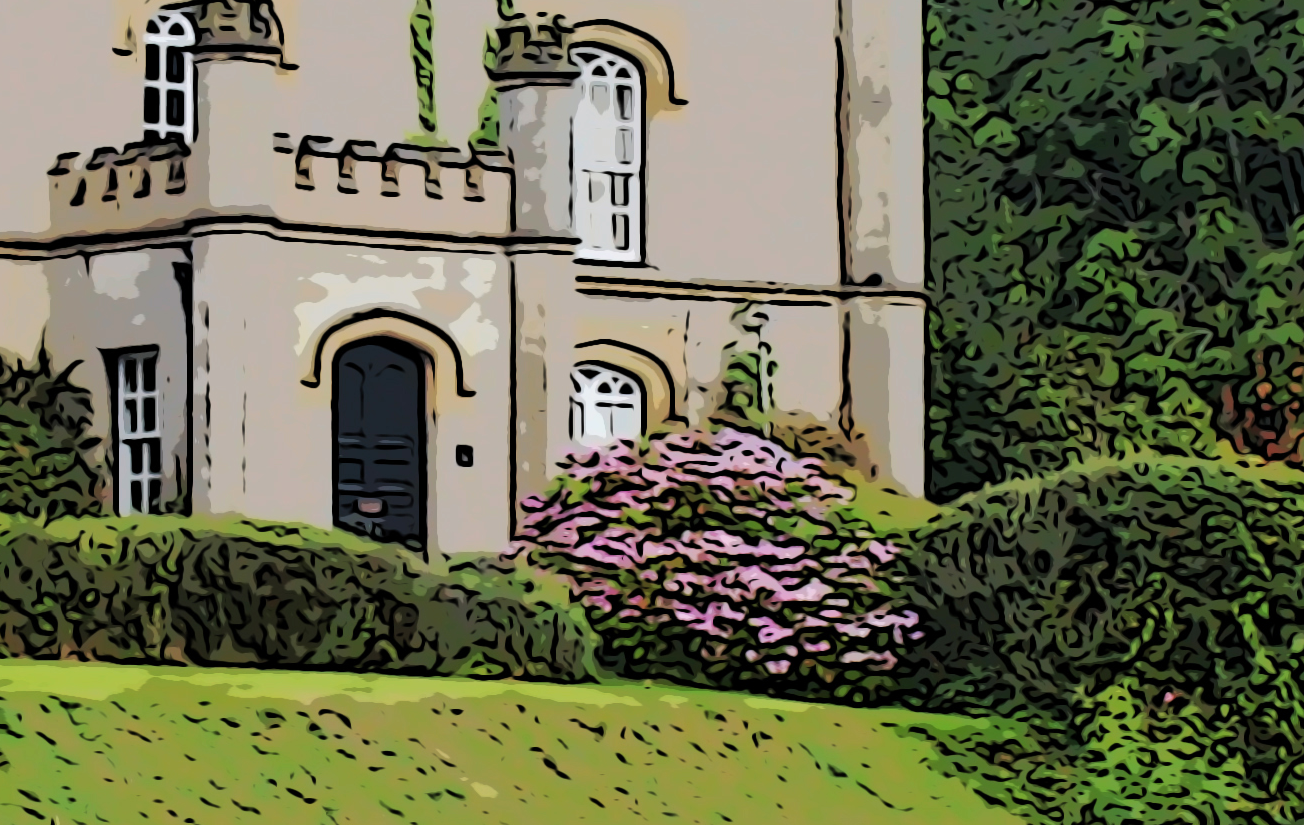
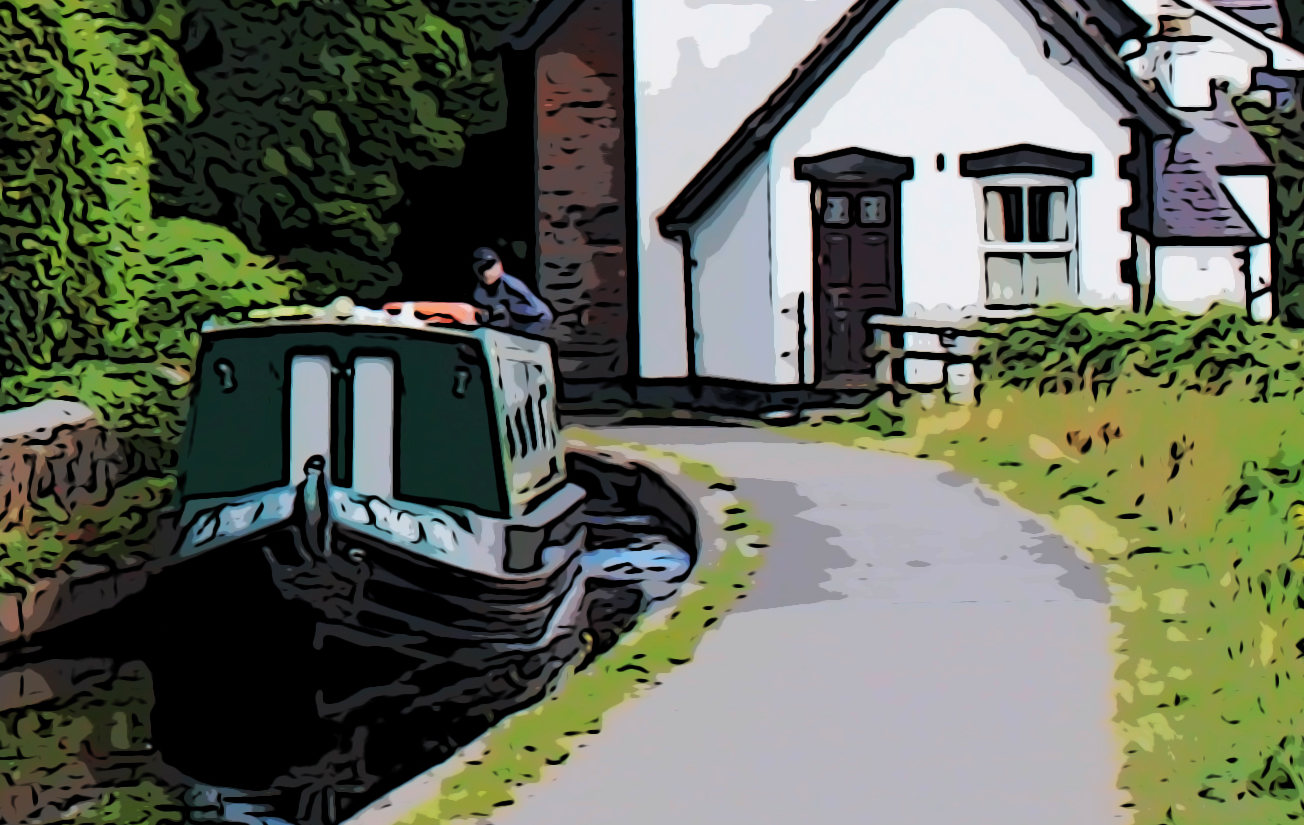
Llangollen Canal Scene LL8007
Price range: £118.00 through £470.00
The Llangollen Canal crosses the border between England and Wales. Its combination of picturesque countryside and breath-taking engineering draws visitors from far and wide. This 41-mile long canal spans the West Midlands and Wales & Southwest regions, running from King’s Bridge in Berwyn, to Hurleston Locks where it meets the Shropshire Union Canal. The canal passes by Llangollen at high level above the River Dee.
Related products
-
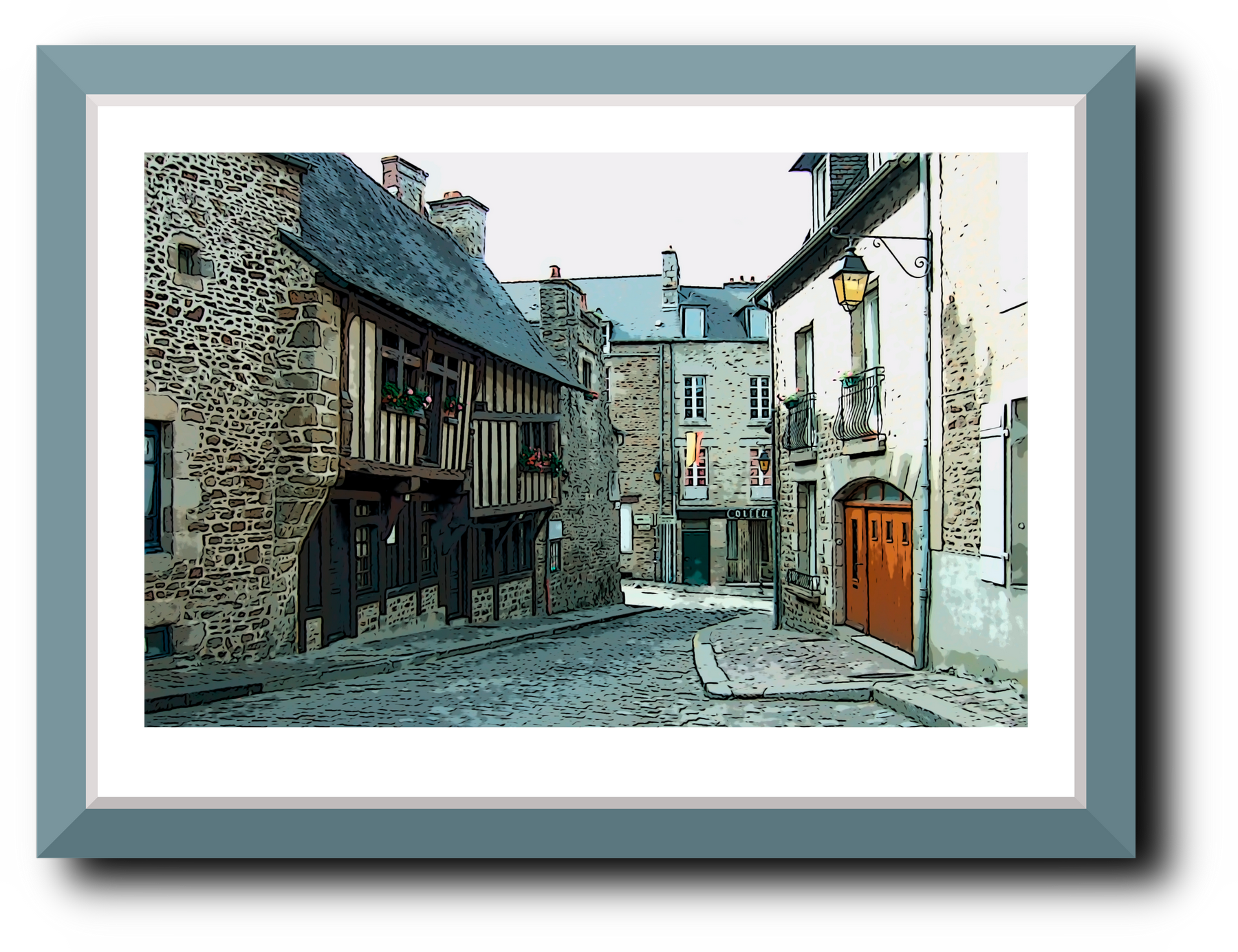
L’Auberge de Coignet, Dinan, France D0010
Price range: £140.00 through £510.00 Select options This product has multiple variants. The options may be chosen on the product page -
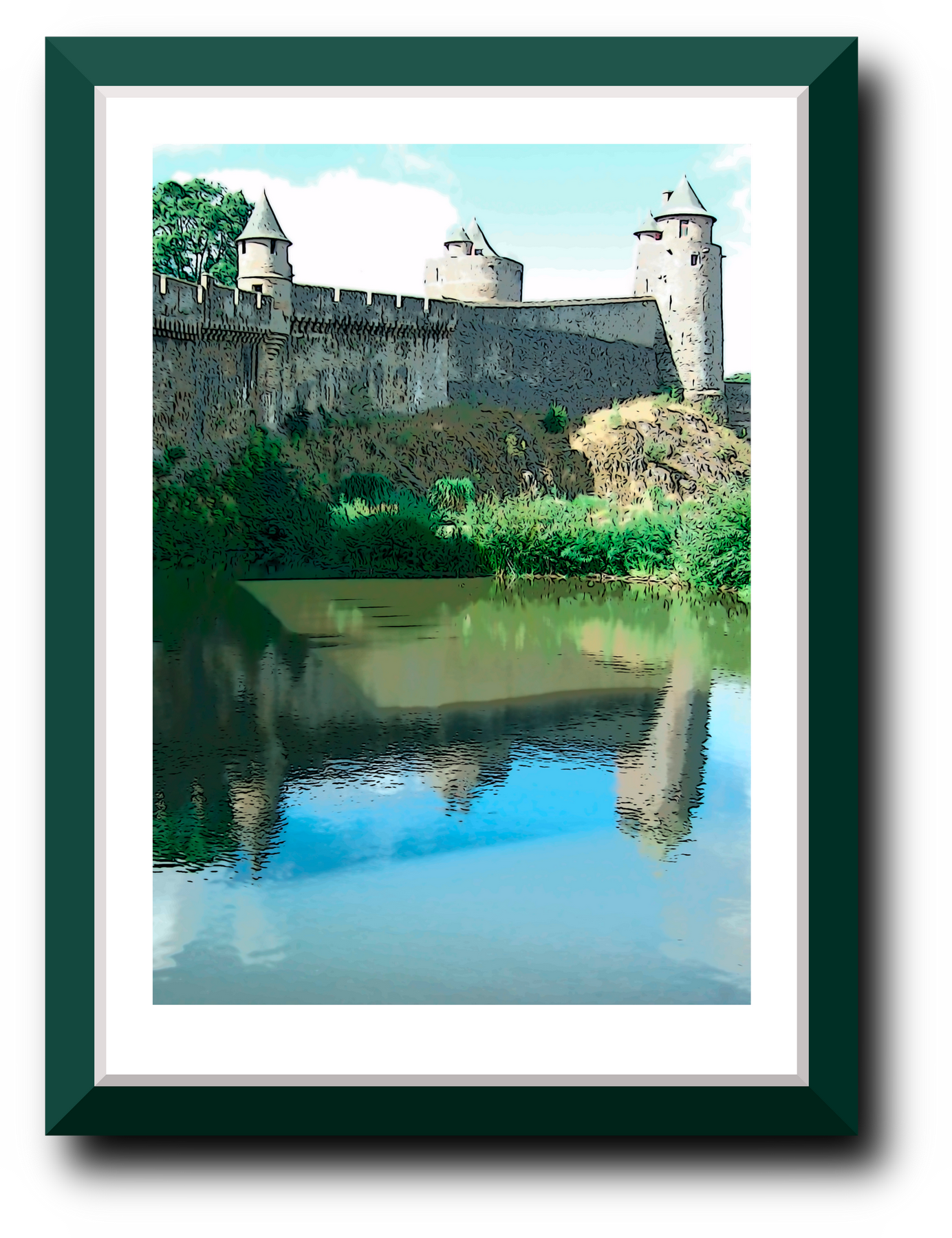
Fougères Castle in Brittany, France FG0039
Price range: £140.00 through £510.00 Select options This product has multiple variants. The options may be chosen on the product page -
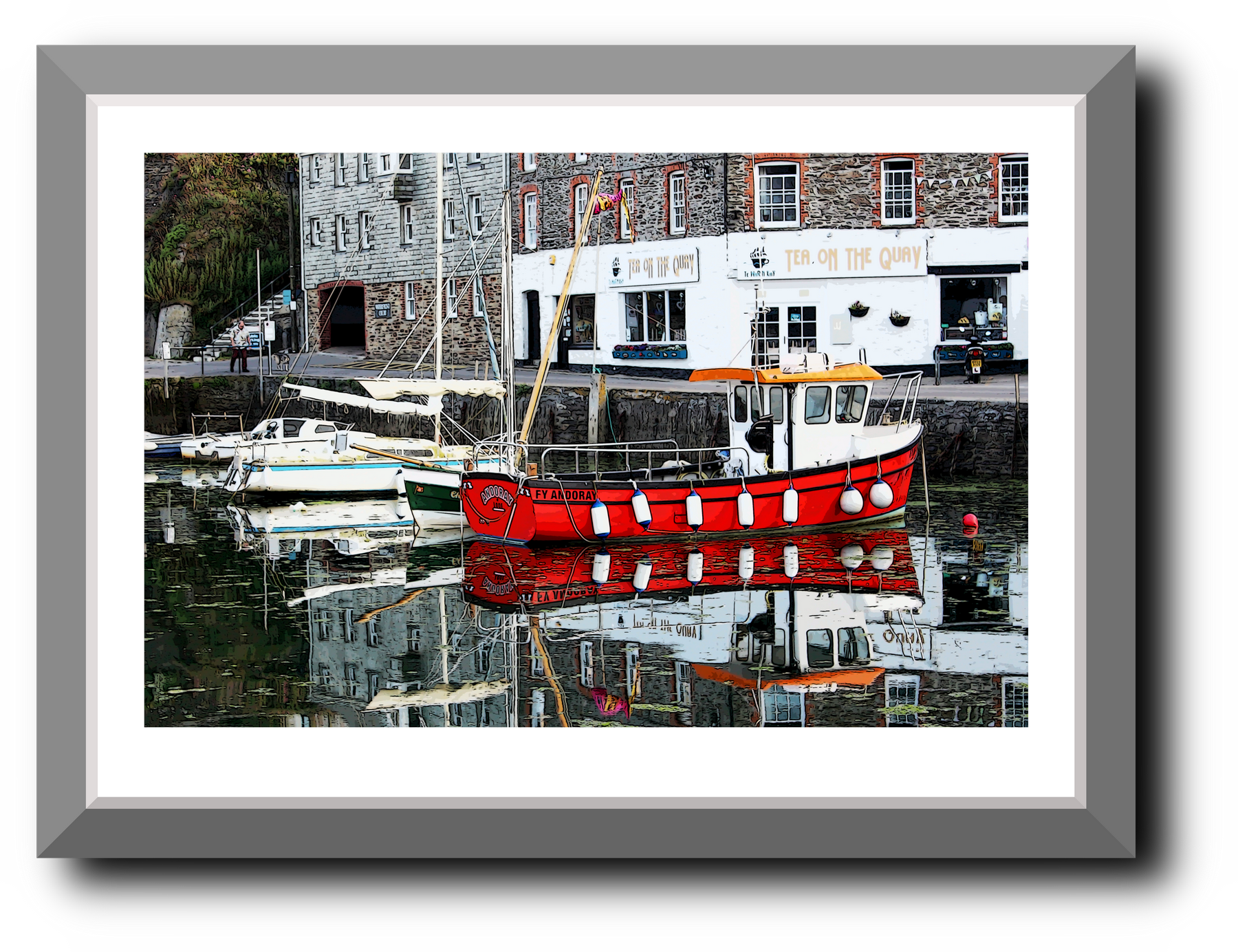
Mevagissey, Cornwall, UK. MG0033
Price range: £140.00 through £510.00 Select options This product has multiple variants. The options may be chosen on the product page -
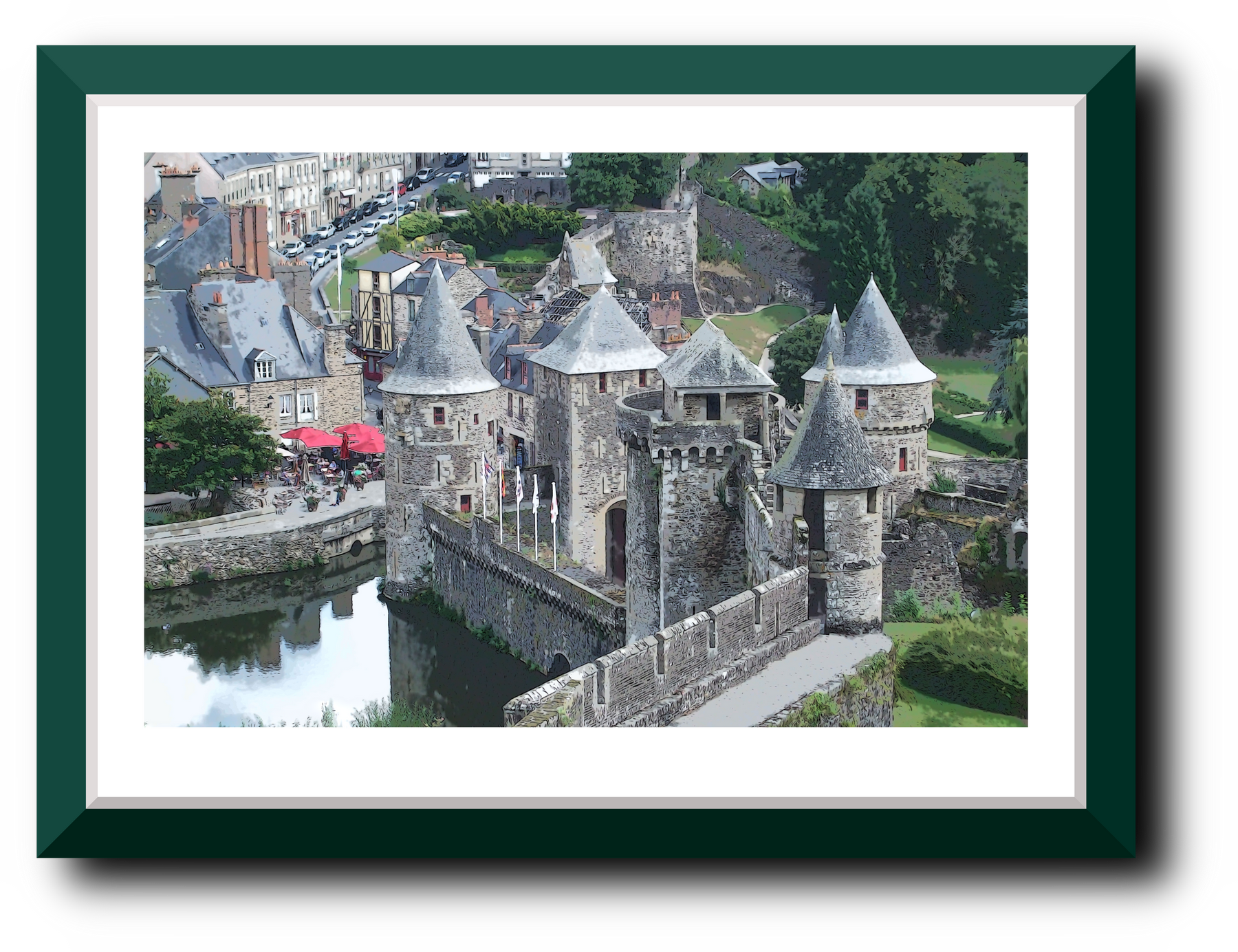
Fougères Castle in Brittany, France FG9055
Price range: £140.00 through £510.00 Select options This product has multiple variants. The options may be chosen on the product page